
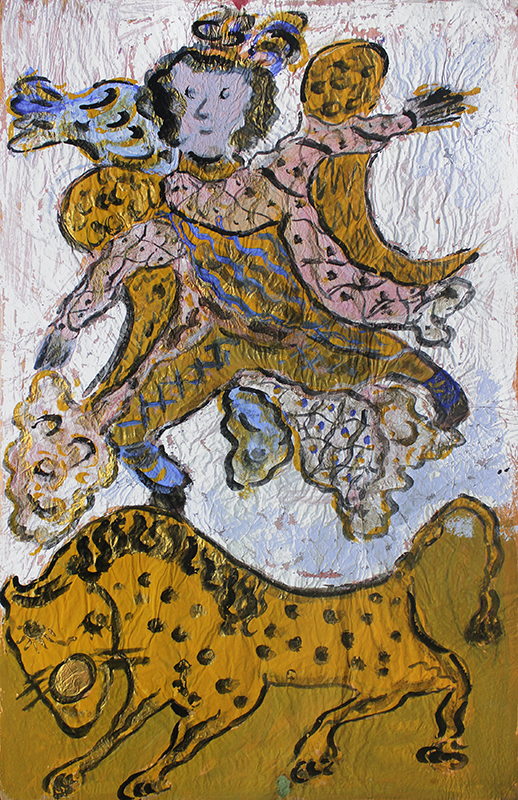
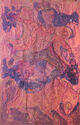
(Angel with bird standing atop a leopard) by Jesus Reyes Ferreira

(Angel with bird standing atop a leopard)
Jesus Reyes Ferreira
(Angel with bird standing atop a leopard)
Jesus Reyes Ferreira
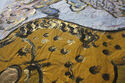
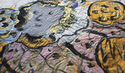
1880 - 1977 (biography)A painting on tissue crepe paper, one of Jesus "Chucho" Reyes Ferreira's primary mediums. What began as an aesthetic way to wrap the goods he sold at his antiques shop in Guadalajara, the tissue paper paintings themselves became sought after, and he began to paint and sell them on their own.
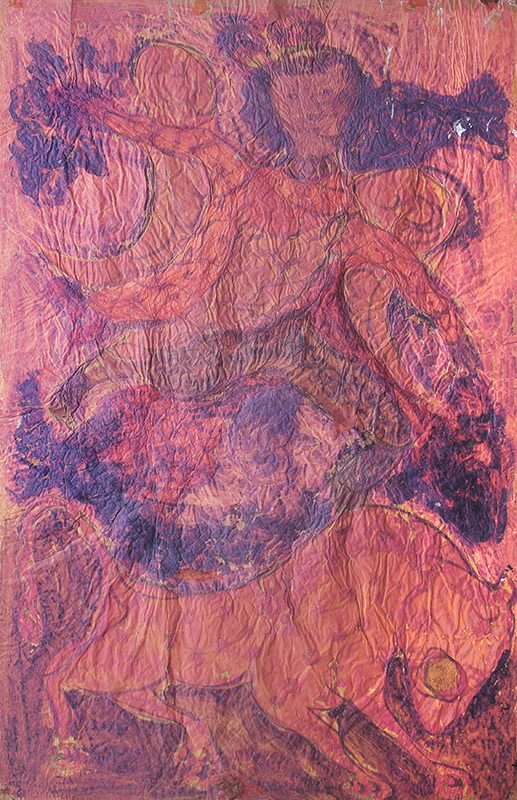
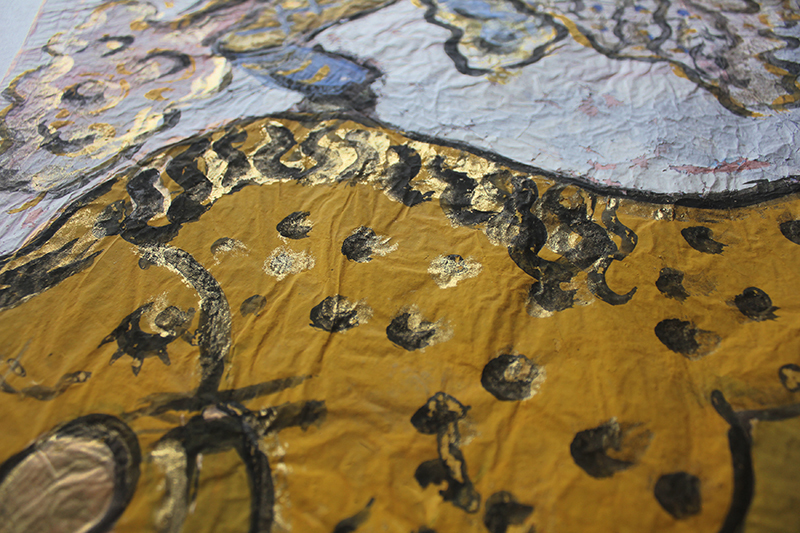
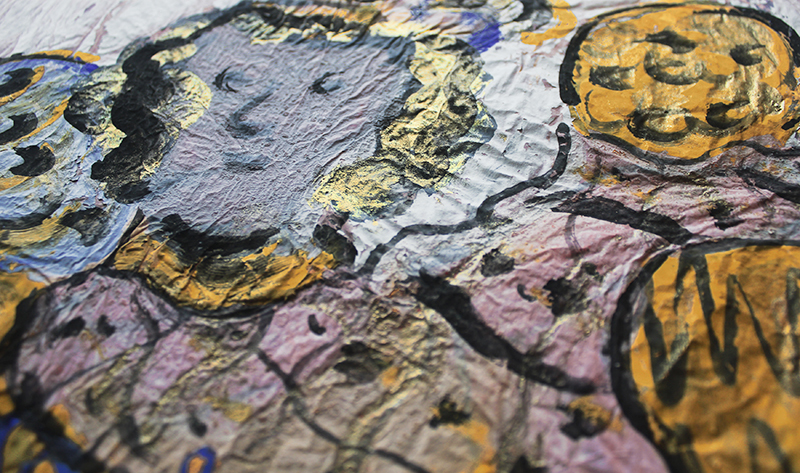
Due to the extremely delicate nature of the paper, Ferreira had to "patch" small areas where the paper tore on the verso, using the same type of paper and an unidentified adhesive. The front appears to have been painted with heavy gouache or thinned oil paints, with a metal leaf in gold tone used for highlights.
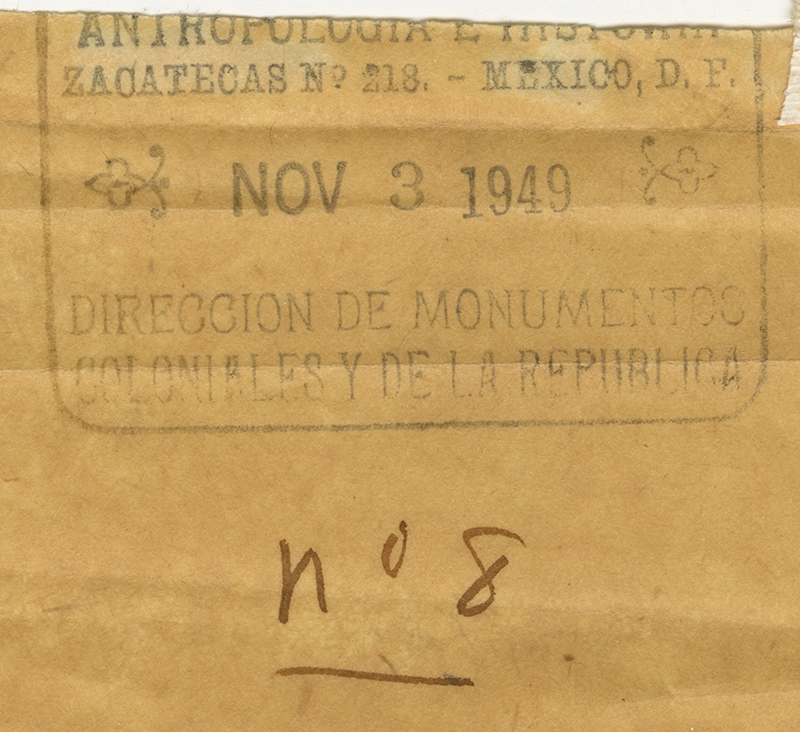
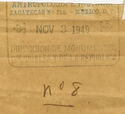
Accompanying the work is both a partial label and a partial stamp (on the verso of the work itself) that together read: "Instituto Nacional de Antropologia E Historia / Zacatecas No. 218 / Mexico DF / Nov 3 1949 / Direccion de Monumentos / Coloniales y De La Republica." This may very well be the stamp of the National Institute of Anthropology and History, founded in 1939 and still extant today.
Ferreira was never formally trained as an artist and rejected the notion that he was a "painter," instead referring to his technique as "smeared colors" and his finished works as, simply, "papers." Despite his own views of his work, other artists and collectors greatly appreciated his style, which exhibited the sensibilities of Surrealism and Expressionism. He was often compared to Marc Chagall - who, in fact, once referred to Ferreira as the "Mexican Chagall."